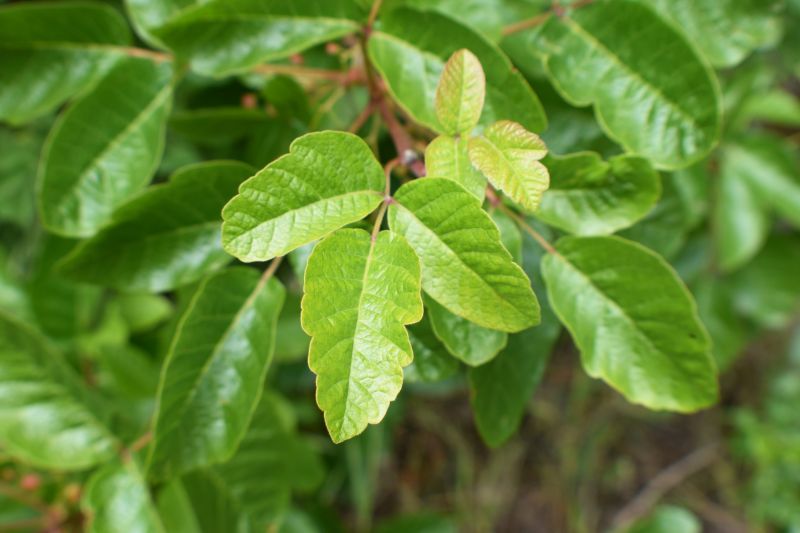
Poison Oak Removal in Burlington County, NJ
Poison oak removal services focus on safely eliminating this invasive plant from residential properties. These services are often requested for landscaping projects, yard cleanups, or property maintenance to prevent exposure to skin irritation caused by contact with the plant. Property owners typically seek assistance when poison oak is spreading across lawns, fences, or wooded areas, especially if it poses a risk to children, pets, or anyone regularly spending time outdoors. The process involves identifying the plant, carefully removing or treating it, and ensuring that the area is cleared to reduce the chance of regrowth.
Before requesting poison oak removal, property owners should understand the extent of the infestation and whether the plants are accessible for safe removal. It’s helpful to know if the poison oak is growing near other desirable plants or structures, as this can influence the removal approach. Clarifying the scope of the project and any specific concerns about safety or property protection can ensure the service provider addresses the situation effectively. Proper removal helps minimize health risks and maintains a safe, healthy outdoor environment.
Many property owners in Burlington County, NJ look into Poison Oak Removal for repairs, replacements, upgrades, and appearance-related improvements.
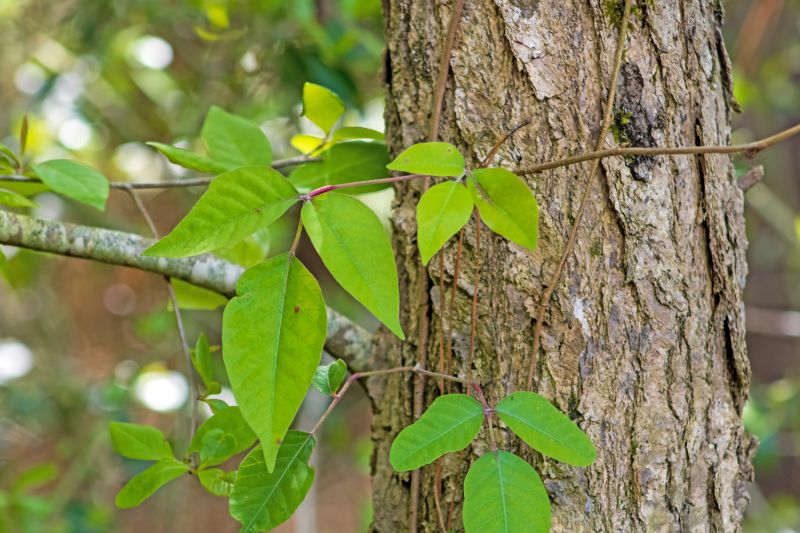
Poison Oak Identification
Understanding how to recognize poison oak helps keep properties safe and accessible.
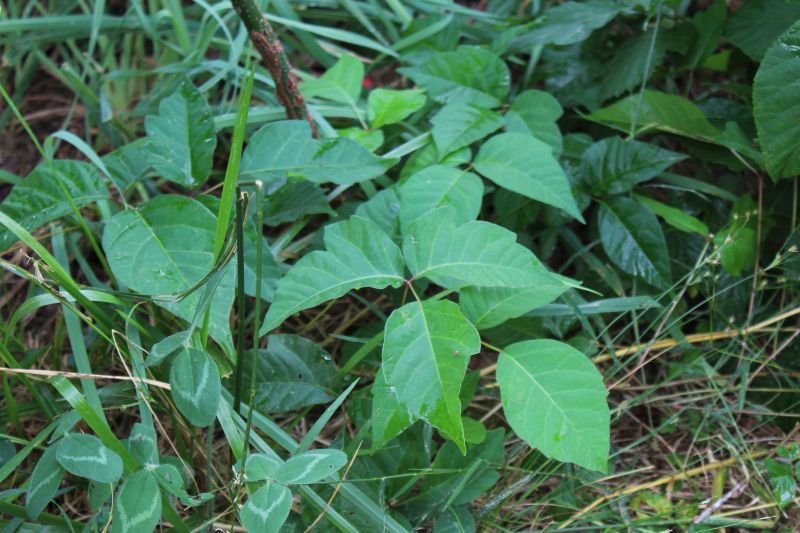
Hazard Prevention
Removing poison oak reduces the risk of skin irritation and allergic reactions for residents.
Property Maintenance
Effective poison oak removal enhances the safety and appearance of outdoor spaces in burlington county.
Poison Oak Removal in Burlington County, NJ
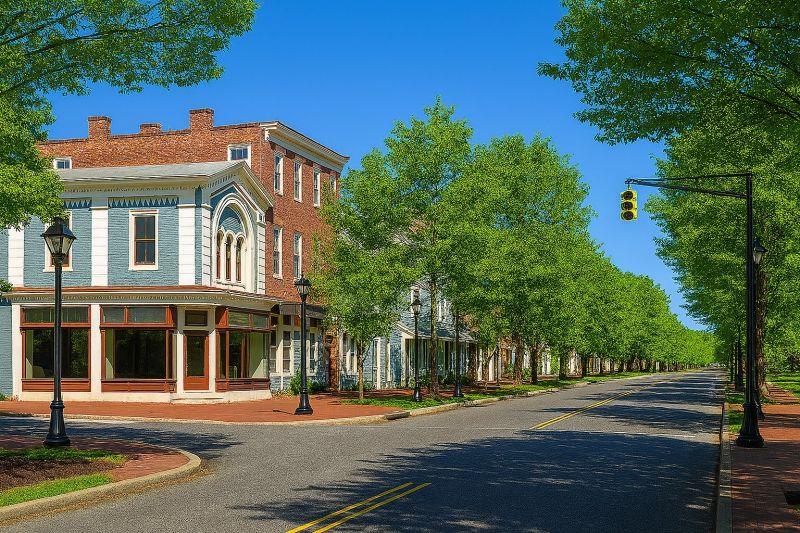
Poison oak removal services focus on safely eliminating this invasive plant from residential properties. These services are often requested for landscaping projects, yard cleanups, or property maintenance to prevent exposure to skin irritation caused by contact with the plant. Property owners typically seek assistance when poison oak is spreading across lawns, fences, or wooded areas, especially if it poses a risk to children, pets, or anyone regularly spending time outdoors. The process involves identifying the plant, carefully removing or treating it, and ensuring that the area is cleared to reduce the chance of regrowth.
Before requesting poison oak removal, property owners should understand the extent of the infestation and whether the plants are accessible for safe removal. It’s helpful to know if the poison oak is growing near other desirable plants or structures, as this can influence the removal approach. Clarifying the scope of the project and any specific concerns about safety or property protection can ensure the service provider addresses the situation effectively. Proper removal helps minimize health risks and maintains a safe, healthy outdoor environment.
Many property owners in Burlington County, NJ look into Poison Oak Removal for repairs, replacements, upgrades, and appearance-related improvements.
Common Poison Oak Removal Jobs
Poison Oak Removal - safe clearing of poison oak from residential landscapes.
Landscape Clearing - removal of poison oak to restore yard safety and appearance.
Property Maintenance - ongoing management to prevent poison oak regrowth.
Yard Cleanup - thorough removal of poison oak and debris from outdoor spaces.
Vegetation Control - targeted elimination of poison oak in difficult-to-reach areas.
Hazard Removal - reducing exposure risks by removing poison oak from property boundaries.
Poison Oak Removal Questions
What is poison oak removal? Poison oak removal involves safely eliminating the plant from a property to prevent skin irritation and health risks.
Why is professional removal recommended? Professionals use proper techniques and equipment to ensure complete removal and minimize exposure to the plant's oils.
What areas are typically treated for poison oak? Treatment often targets landscaped yards, wooded areas, fences, and other spots where the plant grows.
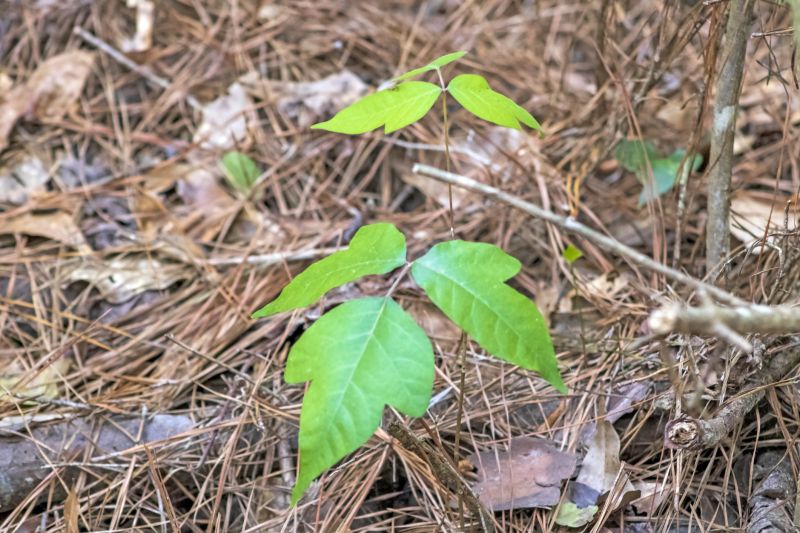
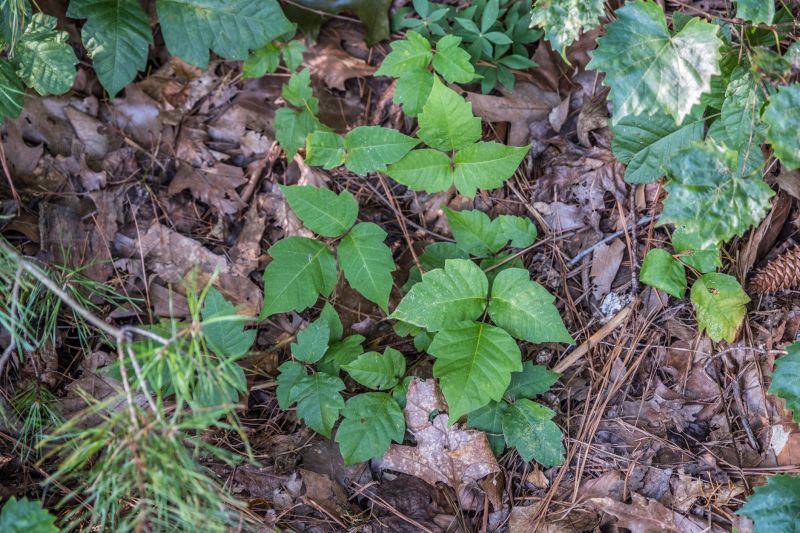
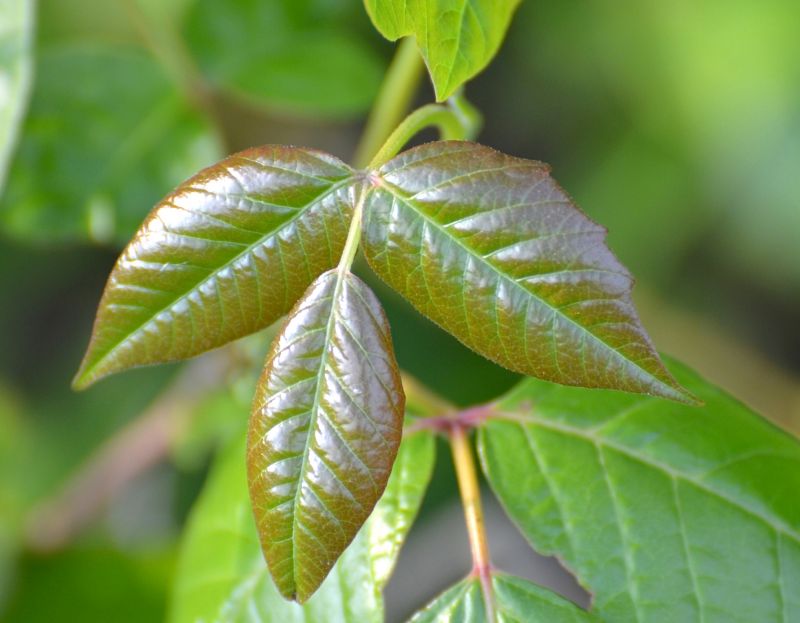
How can property owners identify poison oak? Poison oak has clusters of leaves that resemble oak, often with a reddish tint, and grows as shrubs or vines.
Request Poison Oak Removal in Burlington County, NJ
Use the quote form on this page to share the basics of your project and request more information for the type of work you need.