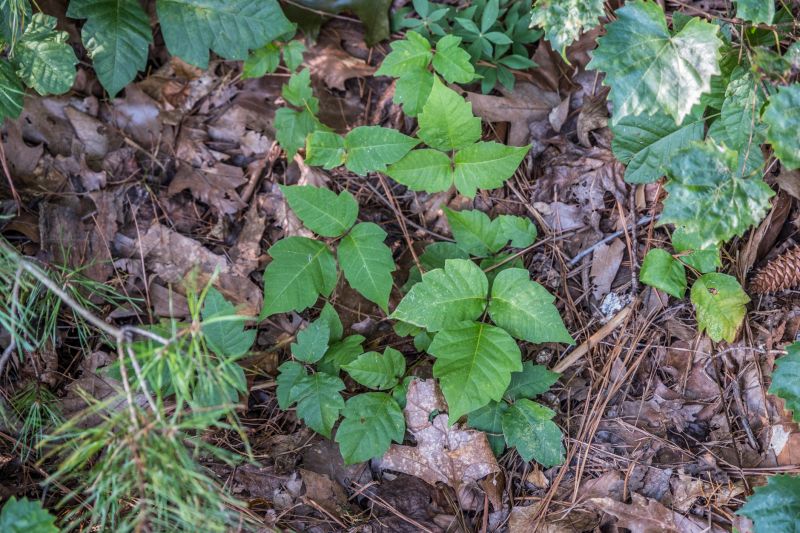
Poison Oak Removal in Lancaster County, PA
Poison oak removal services are designed to safely eliminate this common, irritating plant from residential properties. These services typically involve identifying and carefully removing poison oak from yards, gardens, or wooded areas to prevent contact and allergic reactions. Projects may include clearing overgrown patches, trimming plants near pathways or recreational spaces, and managing landscape areas where poison oak has become established. Property owners often seek this service to ensure a safe outdoor environment for children, pets, and visitors, especially in areas where the plant has spread or become difficult to control.
Before requesting poison oak removal, property owners should consider the extent of the infestation and the location of the plants. It is helpful to understand whether the plants are in accessible areas or near sensitive landscapes, as this can influence the removal approach. Additionally, knowing if there are any nearby utilities, structures, or desirable plants can assist in planning a safe and effective removal process. Proper identification of poison oak is essential, as it can be mistaken for other plants, so clear communication about the plant’s appearance and location can support a successful removal project.
Many property owners in Lancaster County, PA look into Poison Oak Removal for repairs, replacements, upgrades, and appearance-related improvements.
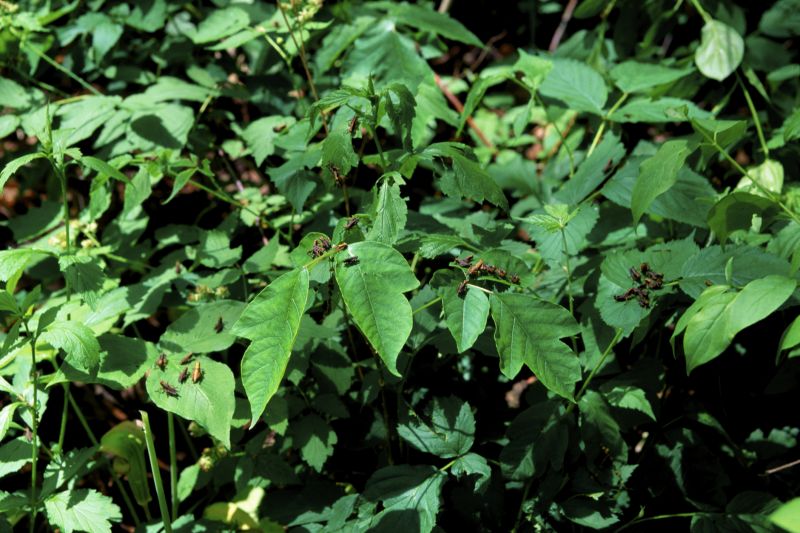
Poison Oak Identification
Recognizing poison oak is essential for safe removal and prevention on residential and commercial properties.
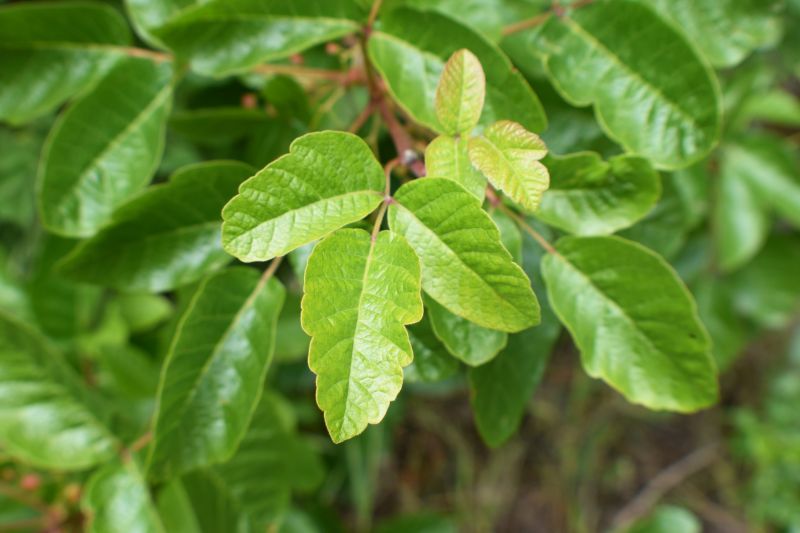
Safe Removal Techniques
Proper removal methods help protect property owners and minimize the risk of skin irritation and environmental impact.
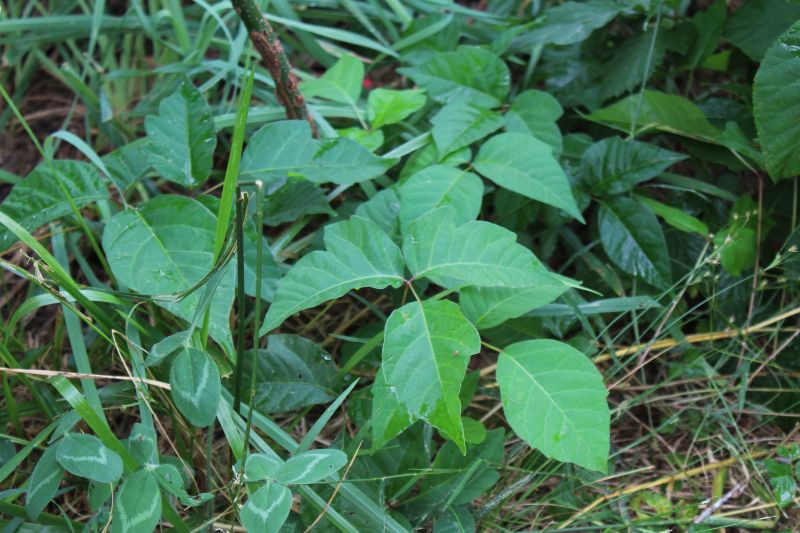
Property Maintenance
Regular clearing of poison oak helps maintain safe outdoor spaces for families and visitors in lancaster county.
Poison Oak Removal in Lancaster County, PA
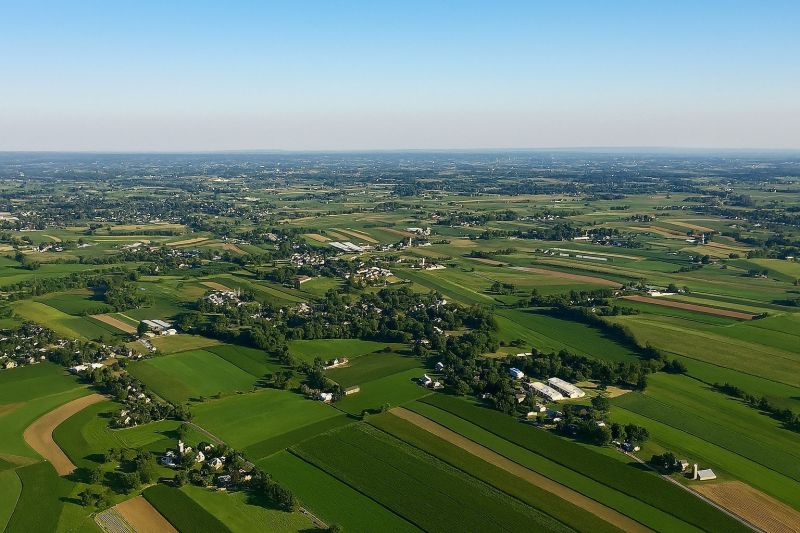
Poison oak removal services are designed to safely eliminate this common, irritating plant from residential properties. These services typically involve identifying and carefully removing poison oak from yards, gardens, or wooded areas to prevent contact and allergic reactions. Projects may include clearing overgrown patches, trimming plants near pathways or recreational spaces, and managing landscape areas where poison oak has become established. Property owners often seek this service to ensure a safe outdoor environment for children, pets, and visitors, especially in areas where the plant has spread or become difficult to control.
Before requesting poison oak removal, property owners should consider the extent of the infestation and the location of the plants. It is helpful to understand whether the plants are in accessible areas or near sensitive landscapes, as this can influence the removal approach. Additionally, knowing if there are any nearby utilities, structures, or desirable plants can assist in planning a safe and effective removal process. Proper identification of poison oak is essential, as it can be mistaken for other plants, so clear communication about the plant’s appearance and location can support a successful removal project.
Many property owners in Lancaster County, PA look into Poison Oak Removal for repairs, replacements, upgrades, and appearance-related improvements.
Common Poison Oak Removal Jobs
Poison Oak Removal - safely eliminates poison oak from yards and landscaping.
Property Clearing - removes poison oak to restore outdoor spaces and improve safety.
Landscape Maintenance - ensures poison oak does not regrow in garden areas.
Yard Cleanup - clears poison oak from lawns, trails, and natural areas.
Brush and Shrub Removal - targets poison oak growing among other plants and trees.
Preventative Treatments - reduces the chance of poison oak returning after removal.
Poison Oak Removal Questions
What are signs of poison oak exposure? Symptoms include itchy skin, redness, swelling, and blisters where contact occurred.
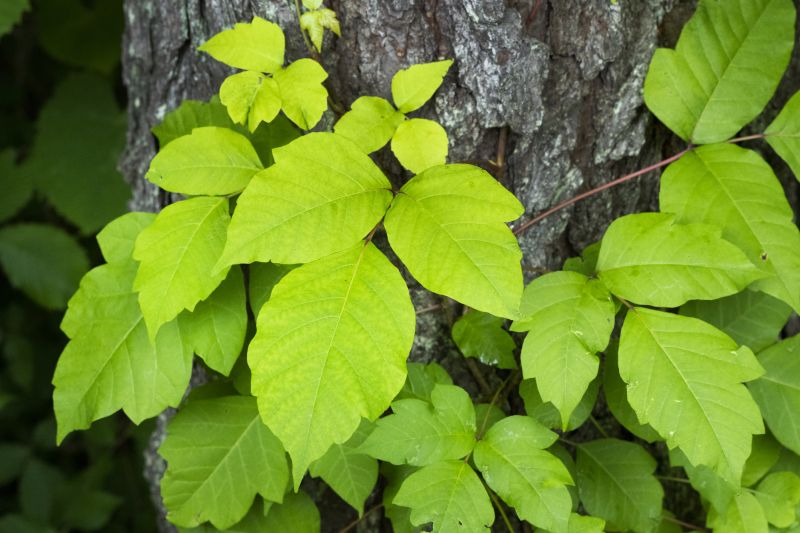
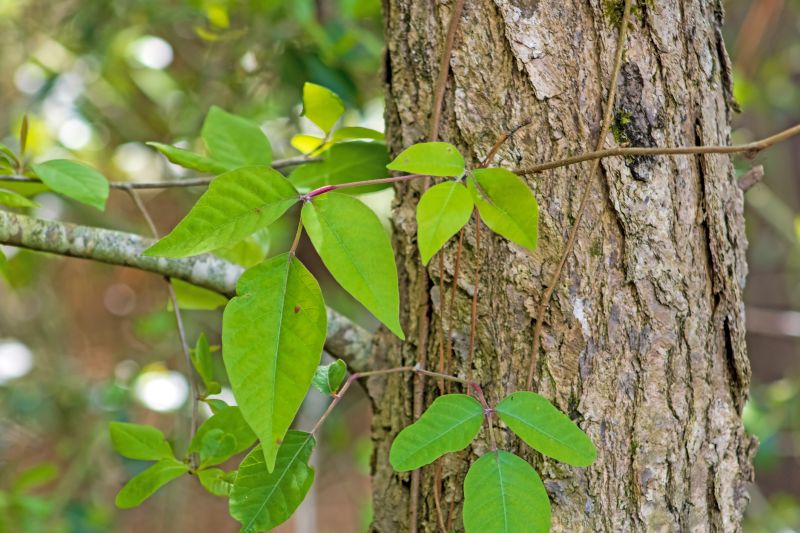
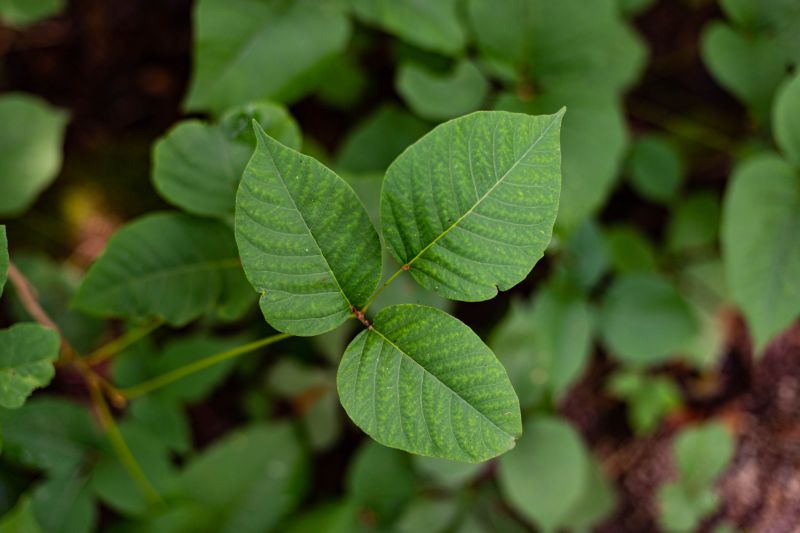
How can poison oak be identified on a property? Poison oak has three-parted leaves with a shiny or matte surface, often growing as a shrub or vine.
What is the best approach for removing poison oak? Mechanical removal involves carefully pulling or cutting plants, followed by proper disposal to prevent spread.
Is it safe to remove poison oak oneself? Due to skin irritation risks, professional removal is recommended for safety and effective clearance.
Request Poison Oak Removal in Lancaster County, PA
Use the quote form on this page to share the basics of your project and request more information for the type of work you need.